


Speakers
PRESENTER
His Honour Chief Judge Brian Devereaux SC, District Court of Queensland
His Honour Chief Judge Devereaux holds degrees in Arts and Laws from the University of Queensland. After employment at the Queensland Public Defender’s Office from 1985 to 1988, Chief Judge Devereaux was admitted as a barrister of the Supreme Court of Queensland in 1988 and practised in Queensland until early 1994. His Honour was then appointed Counsel (Criminal) of Aboriginal Legal Service of Western Australia from 1994 to 1998. After returning to Queensland, he was appointed Public Defender at Legal Aid Queensland from 1999 to 2009. His Honour was appointed Senior Counsel in 2005. Chief Judge Devereaux served as an acting judge of the District Court of Queensland for 3 months in late 2008 and was appointed a judge on 17 July 2009. His Honour was appointed Chief Judge of the District Court of Queensland on 13 August 2020.
SESSION ONE
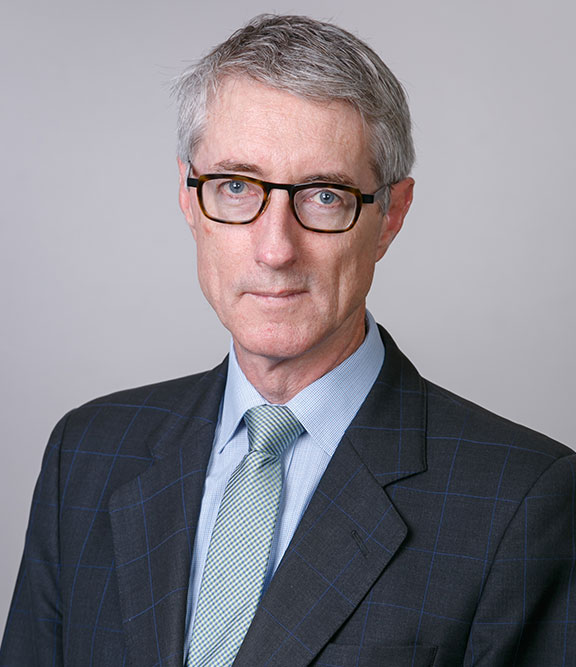
The Honourable Helen Bowskill
The Honourable Helen Bowskill was sworn in as Chief Justice of Queensland on 22 March 2022, having served as a Judge of the Supreme Court of Queensland from 10 July 2017, and as the Senior Judge Administrator of the Supreme Court of Queensland from 24 August 2021. Her Honour previously served as a Judge of the District Court of Queensland from 10 November 2014, in that capacity also sitting as a Judge of the Children’s Court of Queensland and the Planning and Environment Court.
Her Honour holds the degree of Bachelor of Laws (First Class Honours) from the Queensland University of Technology and was awarded the University Medal in 1995. In 2022, her Honour was awarded the honorary degree of Doctor of the University by the Queensland University of Technology.
Her Honour served as the Associate to the Honourable Justice Drummond of the Federal Court of Australia in 1996 and completed articles of clerkship with Minter Ellison in 1997. Her Honour was admitted as a solicitor in January 1998, and as a barrister in July 1998. She commenced practice at the private Bar in Brisbane in July 1998. Her Honour took silk in November 2013. As a barrister, she practised widely in public, administrative and commercial law areas, with a particular focus on native title law.
Her Honour is a member and current Chair of the Judicial Council on Diversity and Inclusion and is a Fellow of the Australian Academy of Law.
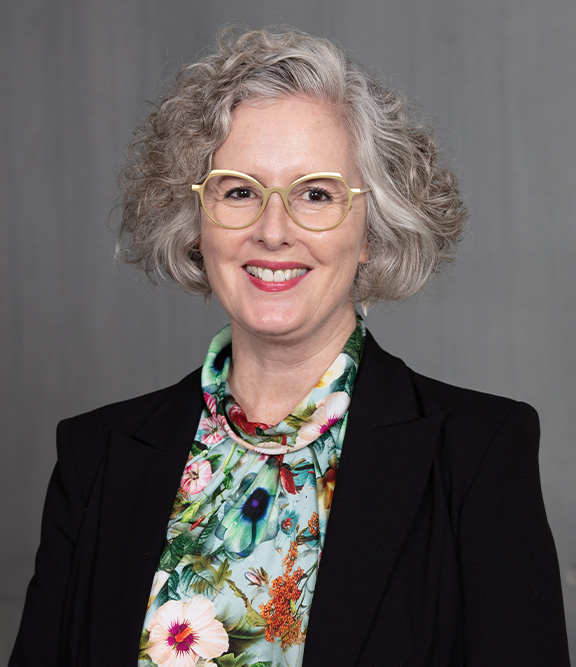
Professor Jill Hunter
Jill Hunter’s research examines evidence and criminal trial procedure within the broader criminal justice context. Her research incorporates comparative perspectives, the impact of the long reach of history and addresses the human dimension of law’s processes. The jury trial, judicial officers’ wellbeing and the Bugmy Bar Book are particular focal points of Jill’s current research, reflecting the importance she attaches to empirical research, engagement with the legal profession and maximising impact, including in law reform. Jill is a foundation member of the Bugmy Bar Book Committee, Public Defenders’ Office, Sydney. Jill’s publications include books, journal articles and reports. They are extensively cited and quoted by Australian and overseas law reform bodies in approximately 50 reports. Her publications have received a similar number of citations in appellate judgments in England, Ireland and Fiji, the High Court of Australia, New Zealand Supreme Court, the International Tribunal, Former Yugoslavia and the Privy Council.
 |
DOWNLOAD PRESENTATION |
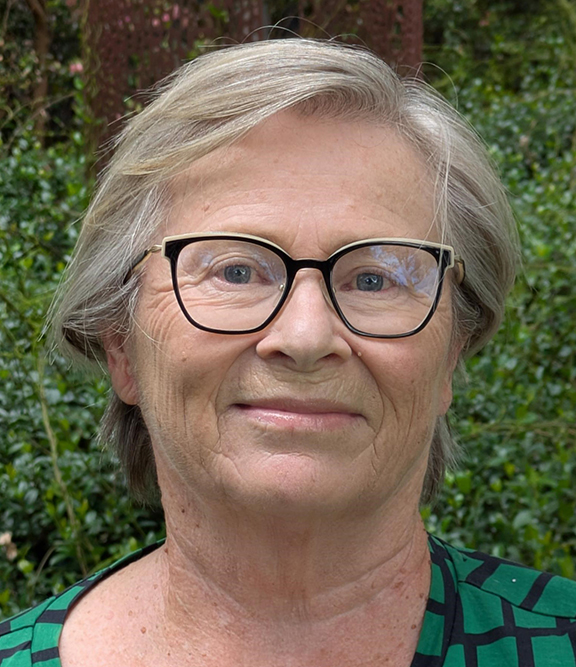
Associate Professor Jacqui Horan, Monash University, Melbourne
Jacqui Horan is a courtroom communication researcher. She holds the position of Associate Professor of Law at Monash University and is a member of the Victorian Bar (academic). She is a jury expert. She has written books and published numerous articles in nationals and international journals focussing on ways to improve jury trials. Jacqui lead a project where she achieved rare access to over 100 Australian jurors investigating juror’s perceptions of expert evidence. The results of this project are published in Freckelton, Goodman-Delahunty, Horan and McKimmie, ‘Expert Evidence and Criminal Jury Trials’ (2016, OUP (UK). Jacqui is regularly invited to present to the judiciary and the legal profession. She is a regular commentator in the media on jury trials including featuring as the jury expert in the 2024 SBS verbatim drama ‘The Jury: Death on the Staircase.’ She has contributed to the development of jury processes in the Courts as an academic member of the Victorian Courts ‘Jury Advisory Group’ and ‘Jury Directions Advisory Group.’
Most recently, Jacqui’s work has focused on improving sexual assault trials, including her co-edited book, Byrne and Horan, ‘Sexual Assault Trials: Challenges and Innovations’ (2025). She acted as an expert advisor to the ALRC ‘Justice Responses to Sexual Violence’ reference. In 2024, she visited the Solomon Islands where she joined a team of experts from the Victorian Bar and Judiciary who conducted a training program for police and prosecutors aimed at improving the prosecution of child sexual abuse cases.
|
DOWNLOAD PRESENTATION 1 |
|
DOWNLOAD PRESENTATION 2 |
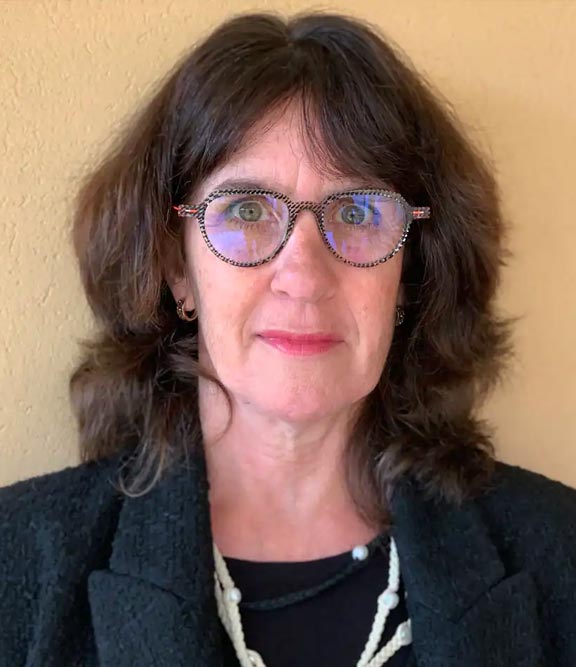
SESSION TWO
Professor Elisabeth McDonald MNZM
Elisabeth is an Adjunct Professor of Law at the University of Canterbury and Principal Legal Analyst at Te Kura Kaiwhakawā | Institute of Judicial Studies. She has taught and published in the areas of sexual and family violence, law and sexuality, criminal law and the law of evidence for over 30 years, as an academic and as the Policy Manager for the evidence law reference at the New Zealand Law Commission.
Elisabeth is the author of a number of evidence law textbooks and online legal resources, including Rape Myths as Barriers to Fair Trial Process (CUP, 2020) (co-winner of the JF Northey Memorial book prize), In the Absence of a Jury (CUP, 2022) and Prosecuting Intimate Partner Rape: The Impact of Misconceptions on Complainant Experience and the Trial Process (CUP, 2023). She has just completed work on Mahoney on Evidence (2nd ed, Thomson Reuters, 2024) and Adams on Criminal Law – Evidence, as well as assisting the New Zealand judiciary with the development of misconception directions in sexual cases and the updates of the Sexual Violence Trials Bench Book, the Family Violence Bench Book and Kia Mana Te Tangata- Judging in Context – A Handbook.
|
DOWNLOAD PRESENTATION |
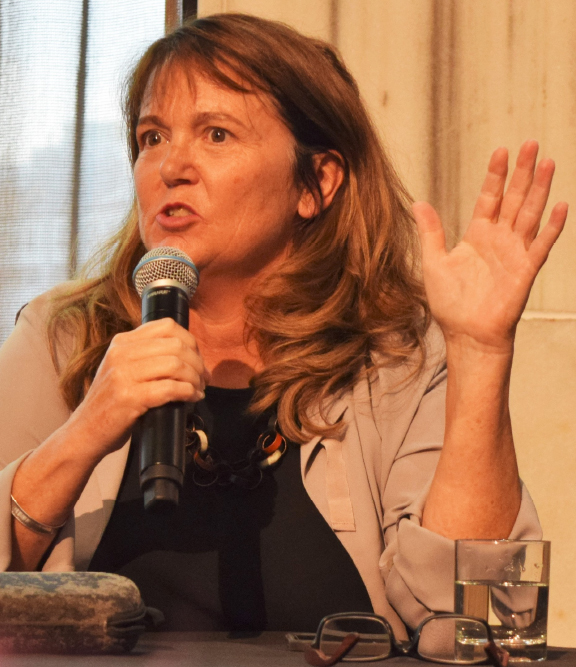
The Honourable Joe Williams KNZM
Justice Williams has an LLB from the Victoria University of Wellington and an LLM (Hons) from the University of British Columbia. He became a partner at Kensington Swan in 1992 and went on to co-found Walters Williams & Co in 1994. In 1999 he became Chief Judge of the Māori Land Court and was appointed Chairperson of the Waitangi Tribunal in 2004. Justice Williams was appointed a judge of the High Court in September 2008, a judge of the Court of Appeal in February 2018, and a judge of the Supreme Court in May 2019.
Justice Williams’ iwi are Ngati Pūkenga, Waitaha and Tapuika.
SESSION THREE
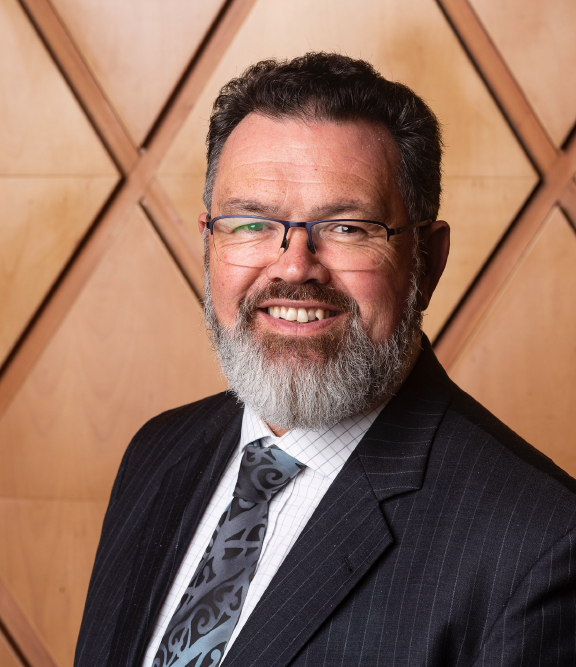
Associate Professor Joe McIntyre
Dr McIntyre is an Associate Professor at the University of South Australia, who specialises in judicial theory and legal institutions. He has previously taught in Canada and the UK, and worked for the SA Crown-Solicitor’s Office before entering academia. His book ‘The Judicial Function’ was published in 2019 and built upon his PhD dissertation undertaken at the University of Cambridge.
His work spans a range of disciplinary boundaries, including constitutional and administrative law, legal theory, civil justice and socio-legal studies. His recent works has looked at diverse topics such as judicial independence, judicial discipline and justice technology, and most relevantly on the impacts of legal illiteracy on the administration of justice. He is co-editor of ‘Sovereign Citizens and Pseudolaw’ published in February 2025.
|
DOWNLOAD PRESENTATION |
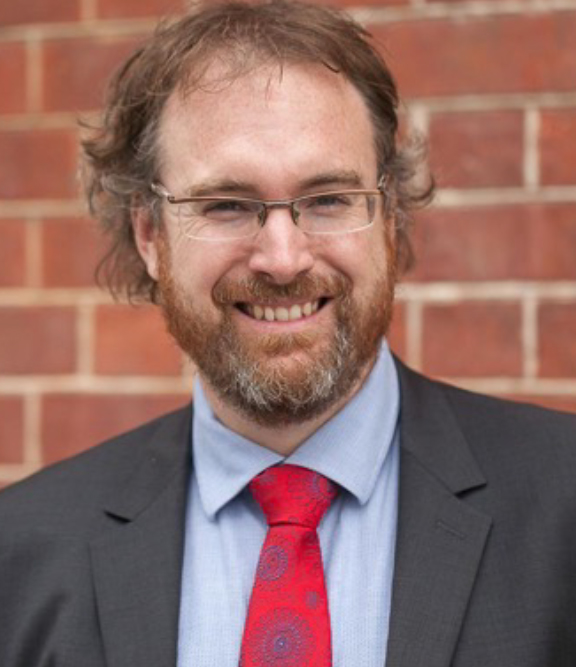
Dr Harry Hobbs
Dr Harry Hobbs is an Associate Professor in the Faculty of Law at the University of Technology Sydney and an Australian Research Council Discovery Early Career Researcher Award Fellow. Harry has written extensively on the phenomenon of sovereign citizens and micronations in academic and popular work. In 2022 he was awarded the Paul Bourke Award for Early Career Research from the Academy of Social Sciences in Australia.
|
DOWNLOAD PRESENTATION |
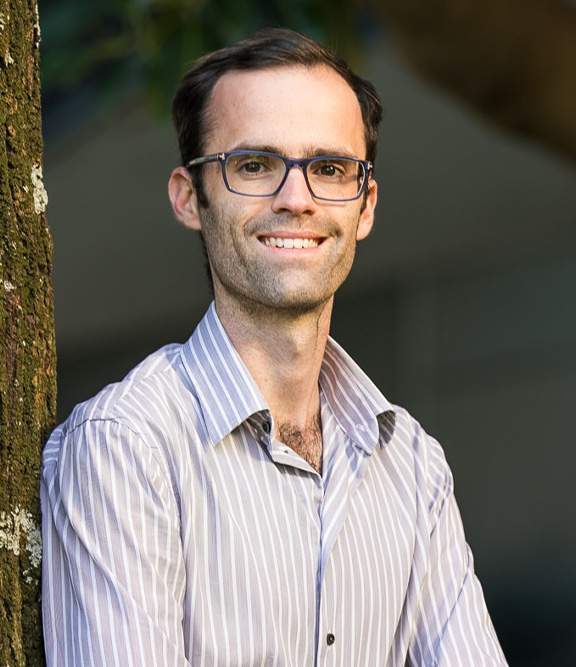
Dr Kaz Ross
Dr Kaz Ross is an independent researcher into far- right extremism, Australian neo-Nazis, and extremist conspiracies. For many years she coordinated Asian Studies at the University of Tasmania with a focus on China, media, identities and politics. She holds a PhD from the University of Melbourne in political science and qualifications in Chinese language. Her most recent publication is "Understanding conspiracies and their theorists" in Age of Doubt: Building Trust in a World of Misinformation, edited by Kirkland and Fang, Monash University Publishing, 2025
SESSION FOUR
Professor Marek Kowalkiewicz
Marek Kowalkiewicz is a Professor and Chair in Digital Economy at QUT Business School. Listed among the Top 100 Global Thought Leaders in AI by thinkers360, Marek has led global innovation teams in Silicon Valley, was a Global Research Program Lead and Founding Research Manager of SAP's Machine Learning lab in Singapore, and a Research Fellow at Microsoft Research Asia. His newest book, "The Economy of Algorithms: AI and the Rise of the Digital Minions", is an international bestseller.
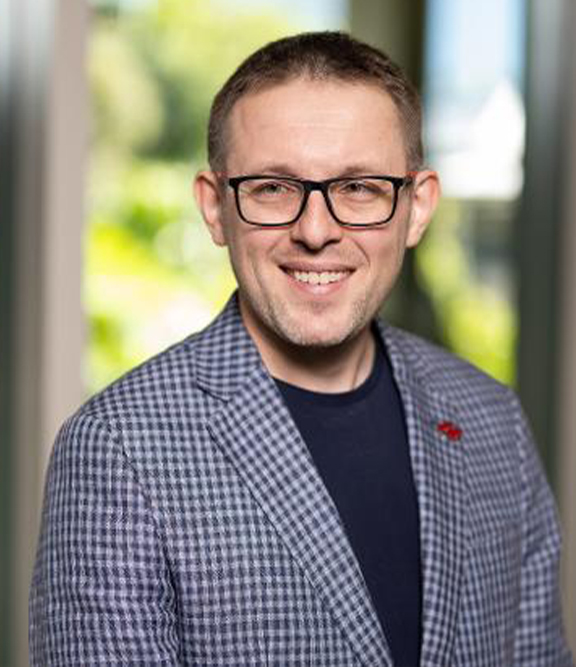
Professor Anna Huggins
Professor Huggins’ primary research interests are in the fields of regulation and compliance, with a particular focus on digital regulation and environmental compliance. Anna publishes widely on innovative regulatory and compliance responses to digitisation and automation, including rules as code, automated decision-making, regulatory technology and digital compliance. She is currently the lead Chief Investigator for an Australian Research Council Linkage Project examining strategies for optimising digitising compliance processes in the financial services sector. She previously led a research project on the opportunities and challenges of digitising regulation with CSIRO's Data61 from 2020-2021. Anna has also published extensively on the evolution of environmental regulation and compliance processes, including research monographs with Routledge (2018) and Edward Elgar (2022).
|
DOWNLOAD PRESENTATION |

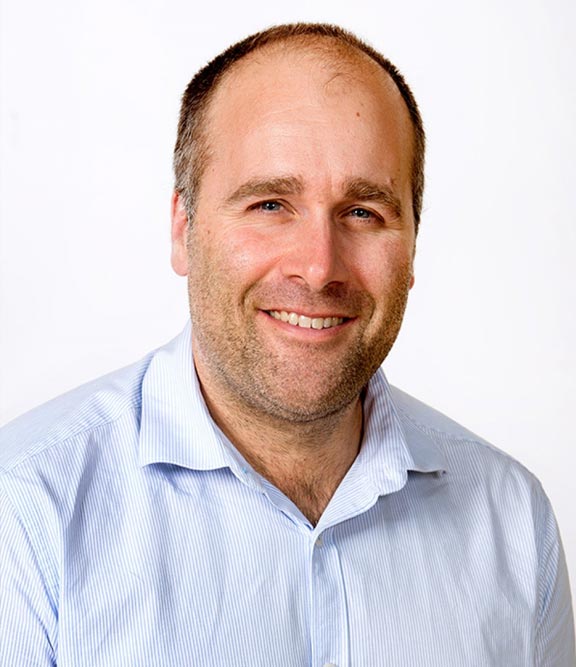
Dr Stefan Hajkowicz
Stefan Hajkowicz is a chief research consultant at CSIRO working in the fields of artificial intelligence, management science and economic geography. Through his work he conducts original research and provides policy/strategy advice to government, industry and community clients. He also delivers speeches and presentations on these topics at conferences, seminars and workshops. Stefan is lead author on Australia's national artificial intelligence roadmap and is currently working with large Australian companies and organisations on AI strategy
SESSION FIVE
Dr Kaye N. Ballantyne, Ph.D
Kaye Ballantyne is the Chief Forensic Scientist for Victoria Police Forensic Services Department. She has previously held the roles of Senior Research and Development Officer at Victoria Police, Senior Project Officer at the Australia New Zealand National Institute of Forensic Sciences, adjunct Senior Researcher in the College of Arts and Law at the University of Tasmania, and adjunct Associate Professor at La Trobe University School of Psychology and Public Health. She has published extensively in books and peer-reviewed journals in the fields of forensic science and molecular genetics, and provided seminars and workshops across Australia and internationally. Kaye’s research interests include cognitive forensics, validity and risk in forensic science, the development and maintenance of expertise, and evidence interpretation and communication.
As Chief Forensic Scientist, Kaye is responsible for ensuring that all scientific evidence produced by Victoria Police Forensic Services Department meets scientific and legal standards, that research, development and innovation is targeted to producing improved service delivery to the Victorian and forensic communities, that staff are trained and supported to deliver expert scientific services, and that the practices utilised in support of investigations and criminal justice processes are robust, reliable and transparent.
|
DOWNLOAD PRESENTATION |
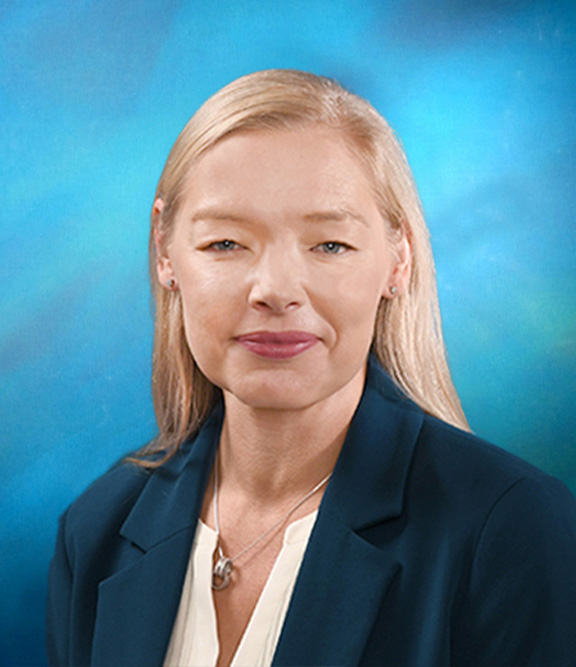
Professor Gary Edmond FRSN
Director, Program in Expertise, Evidence and Law
Chair, Evidence-Based Forensics Initiative (EBFI), School of Law, The University of New South Wales
Gary Edmond is a law professor in the School of Law at the University of New South Wales, where he directs the Program in Expertise, Evidence and Law. Originally trained in the history and philosophy of science, he subsequently studied law at the University of Sydney and took a PhD in law from the University of Cambridge. An active commentator on expert evidence in Australia, England, the US and Canada, he is a member of the Council of the Australian Academy of Forensic Sciences, a member of Standards Australia’s forensic science committee, a member of the editorial board of the Australian Journal of Forensic Sciences, a Fellow of the Royal Society of New South Wales, and served as an international adviser to the Goudge Inquiry into Pediatric Forensic Pathology in Ontario (2007-2008). He is Chair of the Evidence-based forensics initiative (EBFI) and is co-author of Australian Evidence: A principled approach to the common law and the uniform acts (6th ed. LexisNexis, 2017).
|
DOWNLOAD PRESENTATION |
SESSION SIX
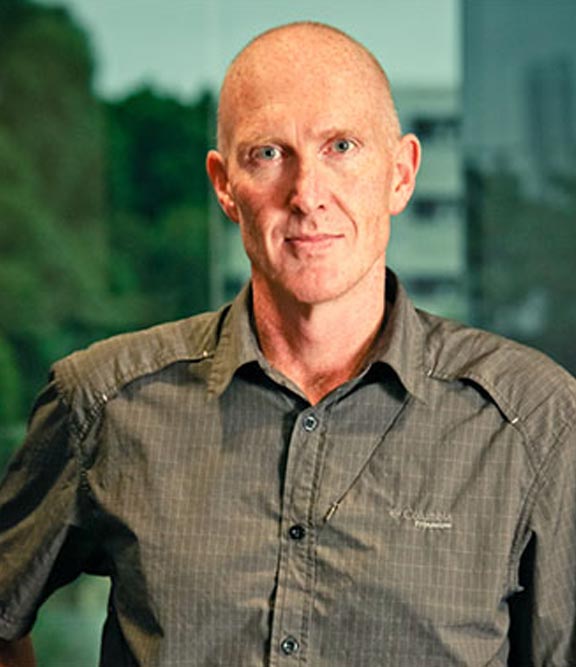
Kim Felmingham (M.A (Clin Psych), PhD)
Kim Felmingham is the Chair of Clinical Psychology and Professor in the School of Psychological Sciences at the University of Melbourne. She has established a programme of research identifying the neurobiological impacts of trauma and Post-traumatic Stress Disorder (PTSD) using brain imaging, memory and clinical experimental research methods. She has over 200 publications in this field. She is currently a Chief Investigator of an NHMRC -funded clinical trial identifying ways of augmenting exposure therapy for PTSD, and she is Director of an NHMRC Centre for Research Excellence in Optimising Exposure Therapy for Anxiety-related Disorders. She is a practising clinical psychologist who has been treating PTSD patients and survivors of child trauma and sexual violence for the past 20 years. She trains emerging clinical psychologists in treating anxiety-related disorders and PTSD, and has recently been an advisor for developing the Expert Guidelines in the Diagnosis and Treatment of Posttraumatic Stress Disorder in Emergency Service Workers (2024).
|
DOWNLOAD PRESENTATION |

SESSION SEVEN
Peter Applegarth AM
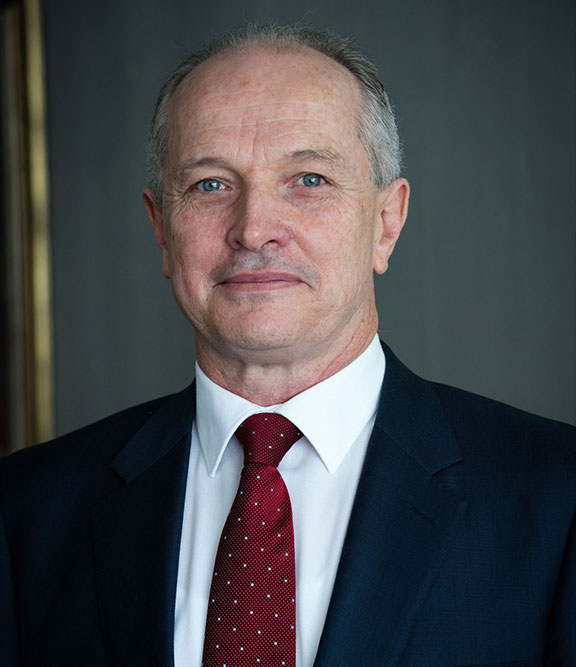
Peter Applegarth was educated at the University of Queensland and the University of Oxford. Prior to his appointment to the Supreme Court of Queensland in 2008, he was active in the Queensland Council for Civil Liberties and had an interest in freedom of speech issues.
He practised at the Bar for 22 years in a wide range of civil and public law litigation. He was retained as counsel by media organisations. He appeared for media interests at many public inquiries, and for the State of Queensland in constitutional cases about the implied freedom of political communication.
He was heavily involved in the Queensland Supreme Court’s 2016 report about broadcasting and livestreaming court proceedings. He teaches media law at the University of Queensland. He has lectured to judges and barristers on Social Media and Defamation Law and Non-Publication and Suppression Orders. He has published articles on contempt of court and coverage and criticism of courts.
He was the trial judge in the high-profile case of Wagner v Nine Network over a defamatory broadcast on Sixty Minutes. His final judgment in Peros v Nationwide News was about the “serious harm” element of the cause of action in defamation. Prior to his retirement he was the Principal Commercial List Judge.
He was chair of the Queensland Law Reform Commission between 2000 and 2023. Mr Applegarth is a Fellow of the Australian Academy of Law. In 2020, he became a Member of the Order of Australia for his significant service to law, judiciary and social justice.
|
DOWNLOAD PRESENTATION |
SESSION EIGHT
SESSION NINE
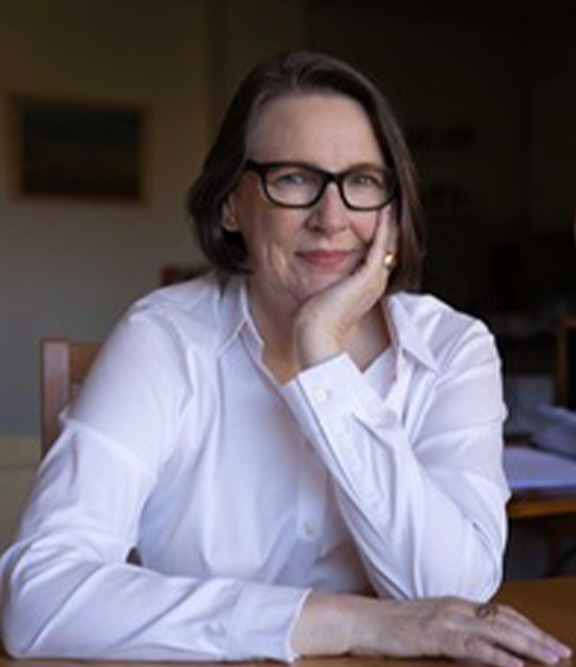
Lucinda Holdforth
Lucinda Holdforth is a Sydney-based Australian speechwriter and the author of four non-fiction works. Her most recent, 21st Century Virtues: How they are failing our democracy (2023), is described by the Sydney Morning Herald as ‘an invigorating essay’ that shows how modern virtues like authenticity, humility, empathy and vulnerability ‘have been emptied and exploited and makes a plea for shared strength and communal courage’. The Australian described the book as a ‘delight to read’ and a ‘controversial argument’ which proposes that these seemingly innocuous values pose ‘a real threat to our democracy by undermining the ethical framework necessary for our system to survive.’
Over a long and continuing speechwriting career Lucinda has worked with senior political leaders, Chairs and CEOs of major companies, entrepreneurs, not-for profit organisations and more. She has led speechwriting masterclasses and taught rhetoric and public communications at both the University of Sydney and the University of Sydney Technology. Her other books are Leading Lines: How to make speeches that seize the moment, advance the cause and lead the way (2019), Why Manners Matter: The Case for Civilised Behaviour in a Barbarous World (2007) and True Pleasures: A Memoir of Women in Paris (2004)
SESSION TEN
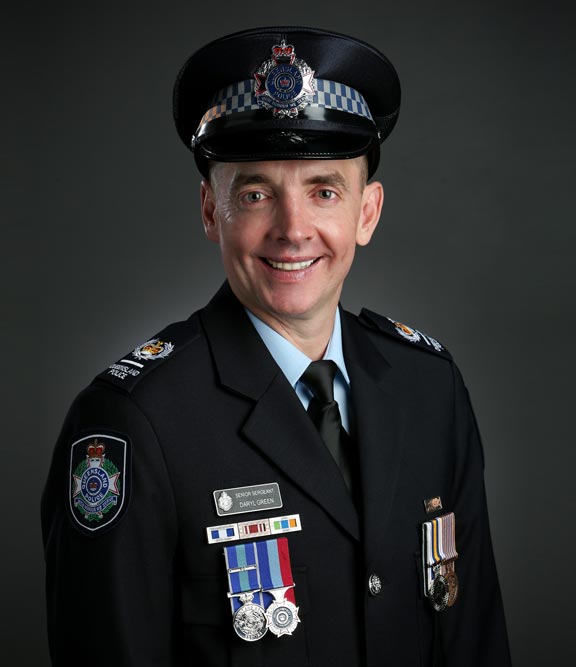
Daryl Green
Daryl Elliott Green’s love of helping others, adventure and fitness led him to join the Queensland Police at age 18.
At 27 years of age he had completed a Bachelor of Arts in Justice Studies and was awaiting promotion to Senior Constable.
On the 1st May 2000 he was on night-work and expecting a quiet Sunday night shift.
Daryl was to confront every police officer’s worst nightmare.
For his actions on that night, he was awarded the highest honour for valour from the Queensland Police, which recognises an act of exceptional bravery in extraordinary circumstances.
Later the Governor-General of Australia Sir Peter Cosgrove bestowed the Group Bravery Citation.
In May 2018 Daryl had the honour of being announced as a Lifeline ambassador. He donates time and energy to raise funds for the charity and help share Lifeline’s message of hope, through its crisis intervention and suicide prevention services.
Soon afterwards, the incident was featured on the ABC’s Australian Story.
For Daryl however, it was just the beginning of a horrific, long, and physically and emotionally painful journey.
Biennial 2025 Conference of District & County Court Judges - Australia & New Zealand
Copyright BIENNIAL 2026Conference Organiser : Straight2 | Website by Pond Hoppers LTD